At ACWA finding content isn’t difficult. We work in one of the most exciting and dynamic offices in the world, the ocean. Rather, it is difficult to find the time to do something with it.
For this reason we have selected 5 recent images and attached brief descriptions. The aim is too share our knowledge of the marine environment with you in a short and easy to digest format. The series of 5 images aims to give you a brief insight into what we see and how we operate. We will continue doing this ‘take 5’ activity as there are many sides to exploring the marine environment, running a family business and general life as a tour operator in Jervis Bay.
Giant Cuttlefish
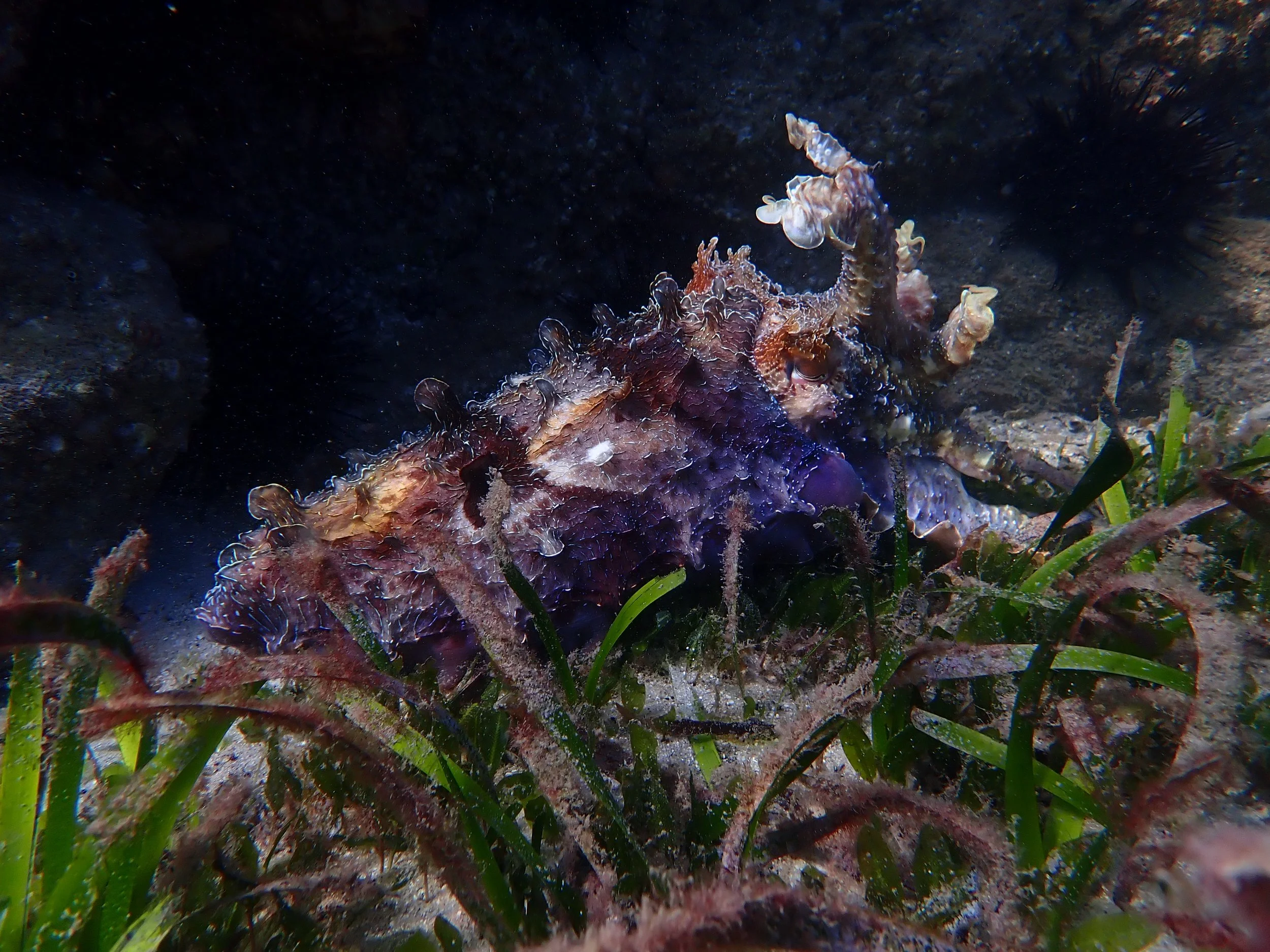
Beautiful light hitting a Giant Cuttlefish as it changes colour itself. Cuttlefish have pigments called chromatophores that are used to change the pigmentation of their skin. Using this ability cuttlefish are able to seamlessly blend into their surrounding environment when they don't want to be seen. The same pigments are also used during elaborate mating displays whereby males with display a range of colours and movements to impress a potential female mating partner.
2. Eastern Blue Groper
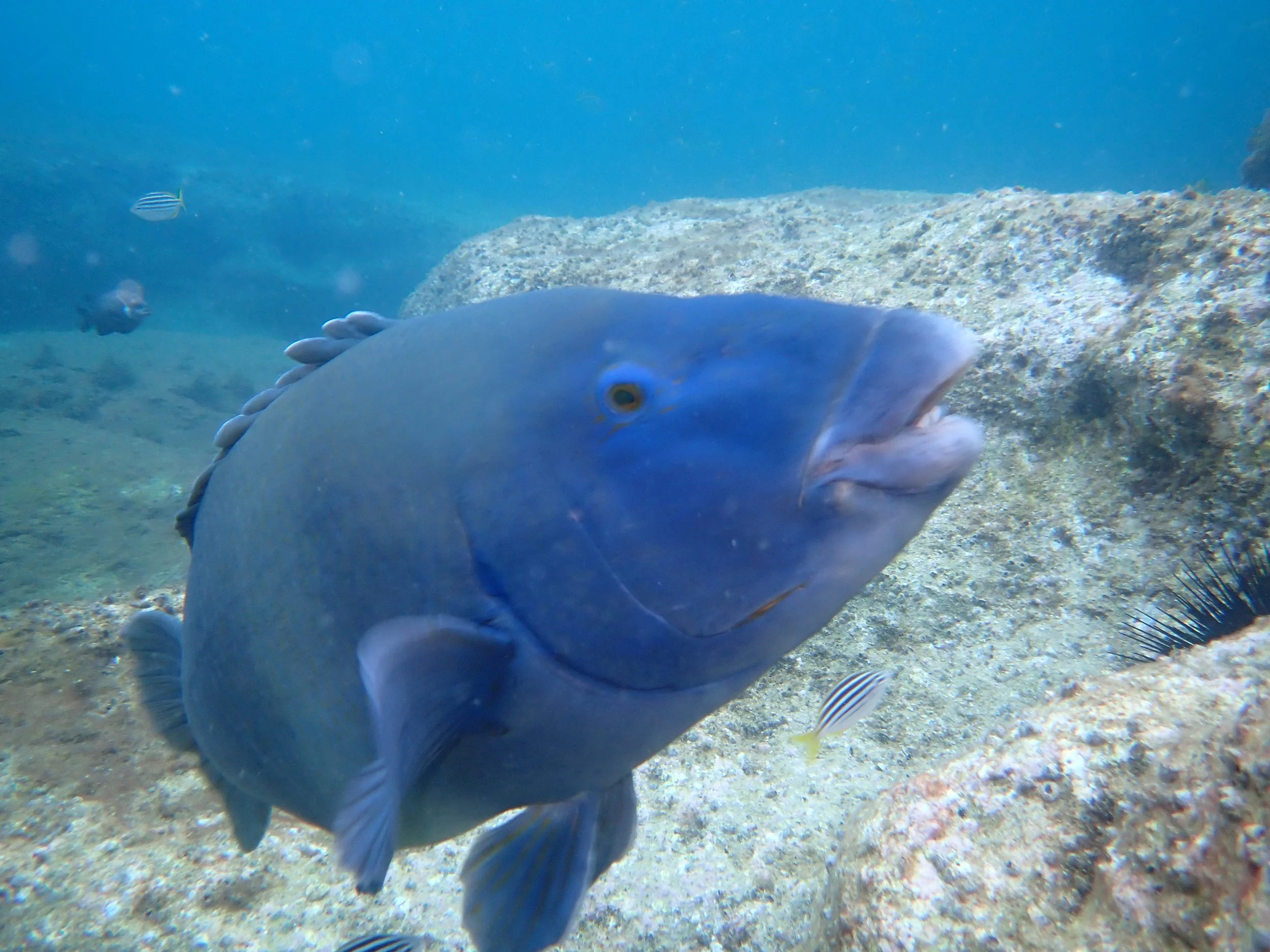
Blue Groper are a keystone species within the temperate reef systems of Southern NSW. They play an important role in keeping Long Spined Sea Urchin populations in check. Blue Groper are one of the only natural predators of Sea Urchins which have proliferated over the last couple of decades. For this reason Blue Groper are a protected species. They are often inquisitive and have a tendency to interact with divers.
3. Wobbegong Shark
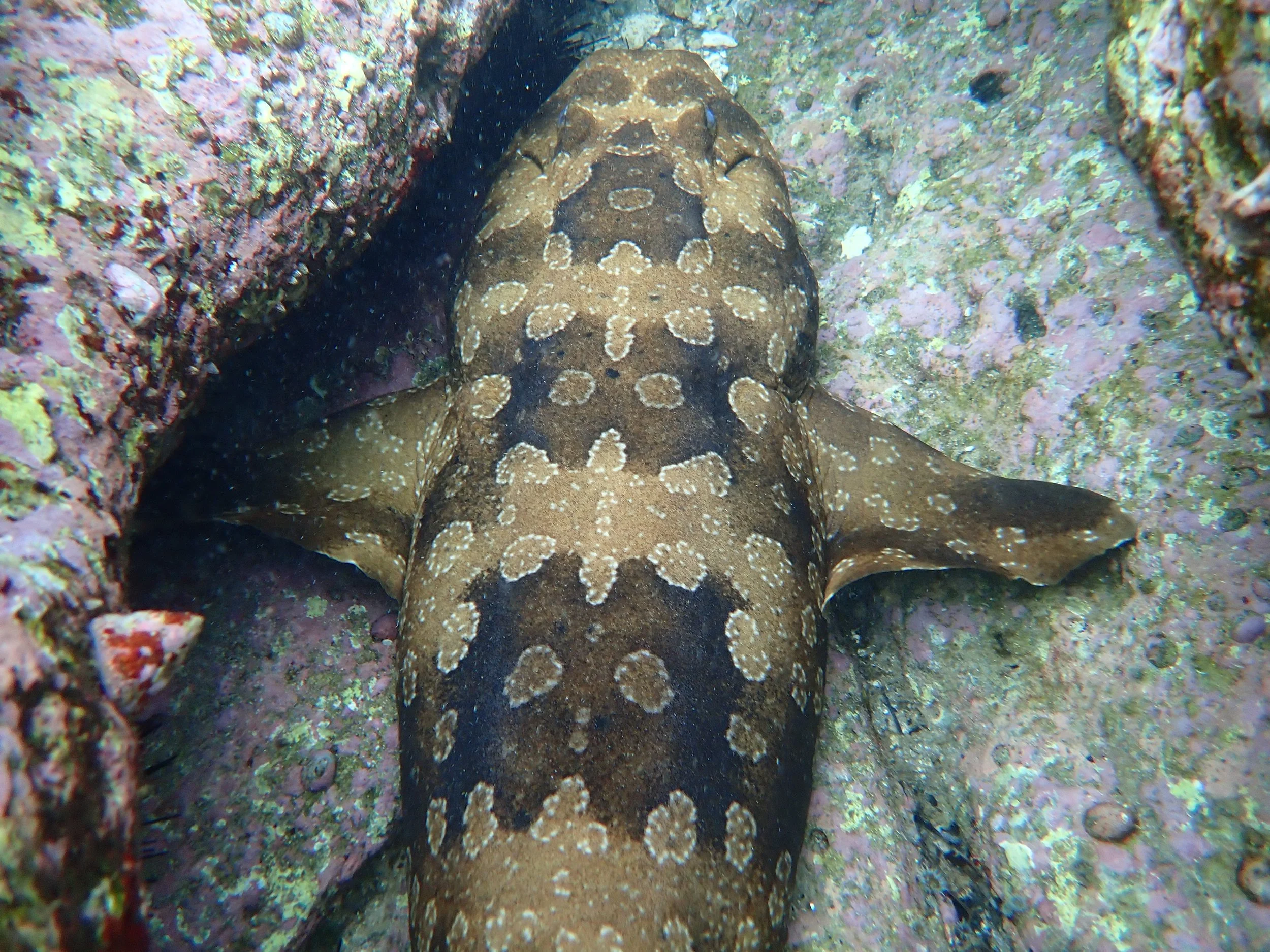
Wobbegongs are mostly sedentary sharks often seen resting under rock ledges within a limited home range. Don't be fooled as they are masters of camouflage and have the ability to swiftly detect and snap up passing prey. Using their 'whiskers' with inbuild sensory organs and powerful jaws Wobbegongs will soon make a meal of fish that pass too close. These ambush predators are a common sight in Jervis Bay.
4. Equipment
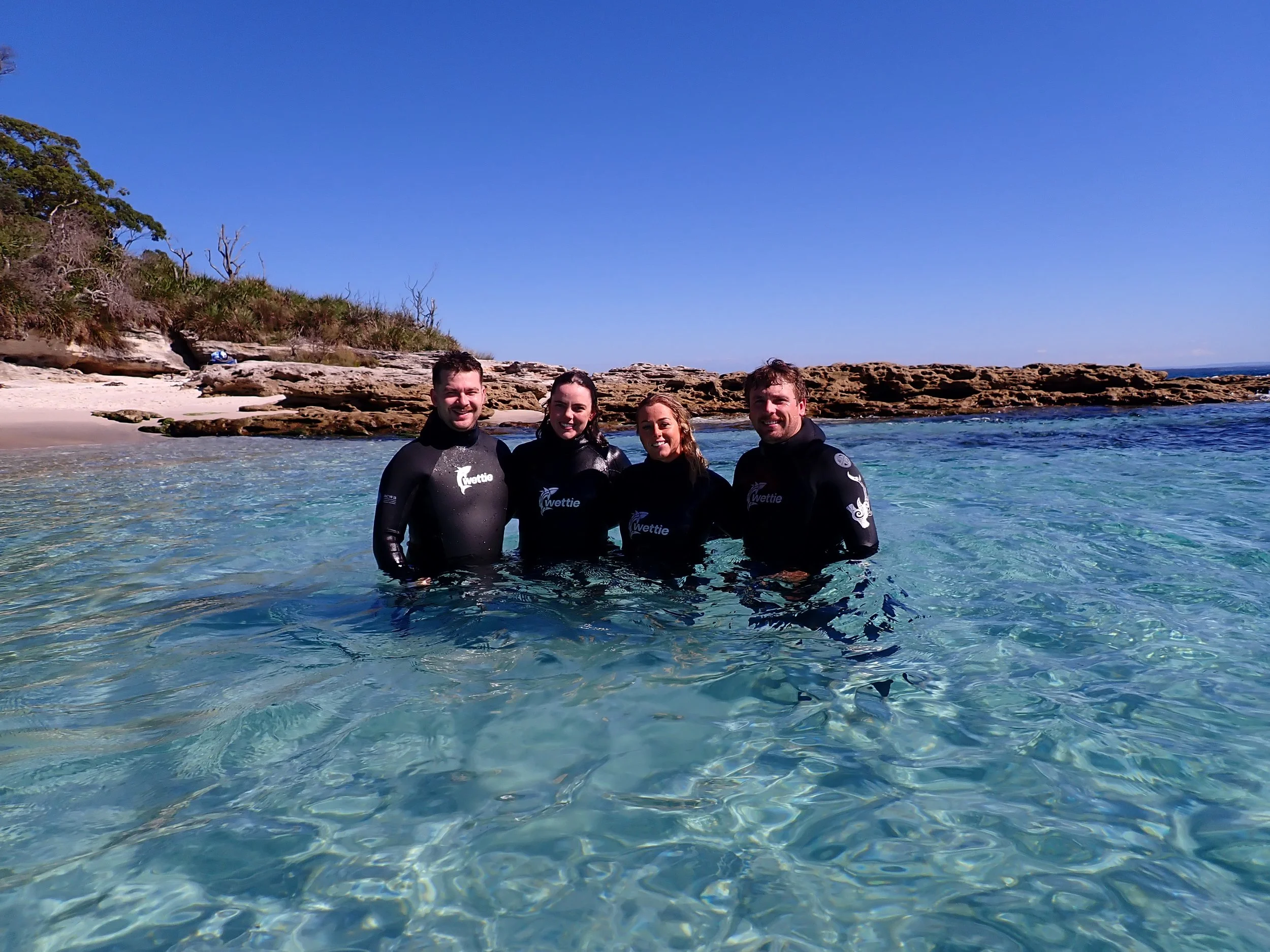
Snorkellers enjoying the clear waters of Jervis Bay. Wearing 4/3mm wetsuits keeps customers warm until late Autumn/Early Winter. During the cooler months we add an additional 3 mm hood/vest to keep everyone warm. Snorkelling is a year round activity with each season offering different underwater spectacles.
5. Site Selection
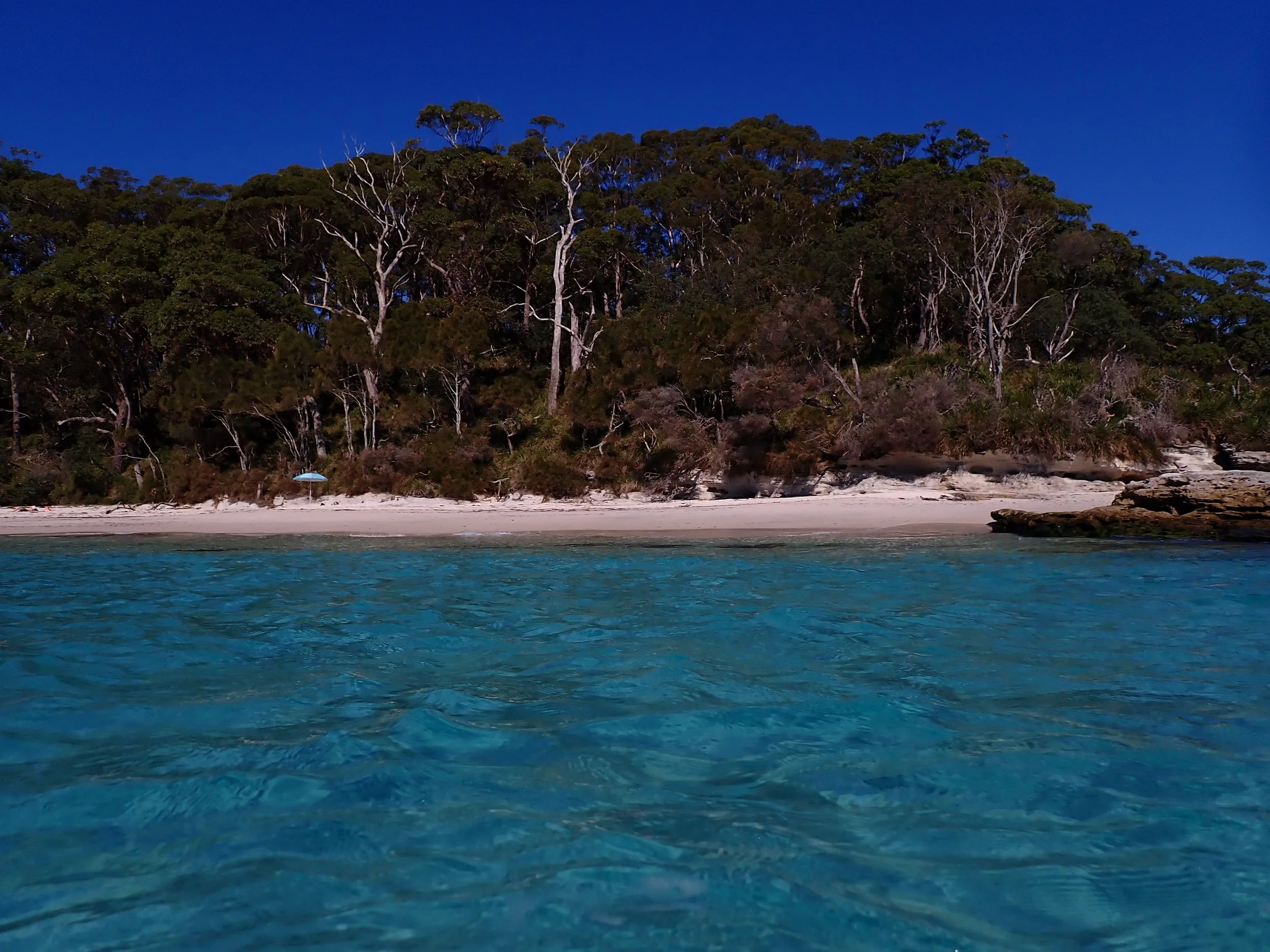
Maldives or Jervis Bay? Jervis Bay is frequently treated to clear water. Dive sites near the heads of Jervis Bay offer consistently favourable snorkelling conditions. These sites can be accessed via Booderee National Park which is also know for it's stunning white sand beaches and untouched native bushland. The lack of rivers and development in this part of the bay allows the water to remain clear even during and after moderate rain events.
On each of the above topics we have plenty more information to share. We will continue sharing here and via our social media platforms. Feel free to pass onto others that want to learn more about the marine environment.