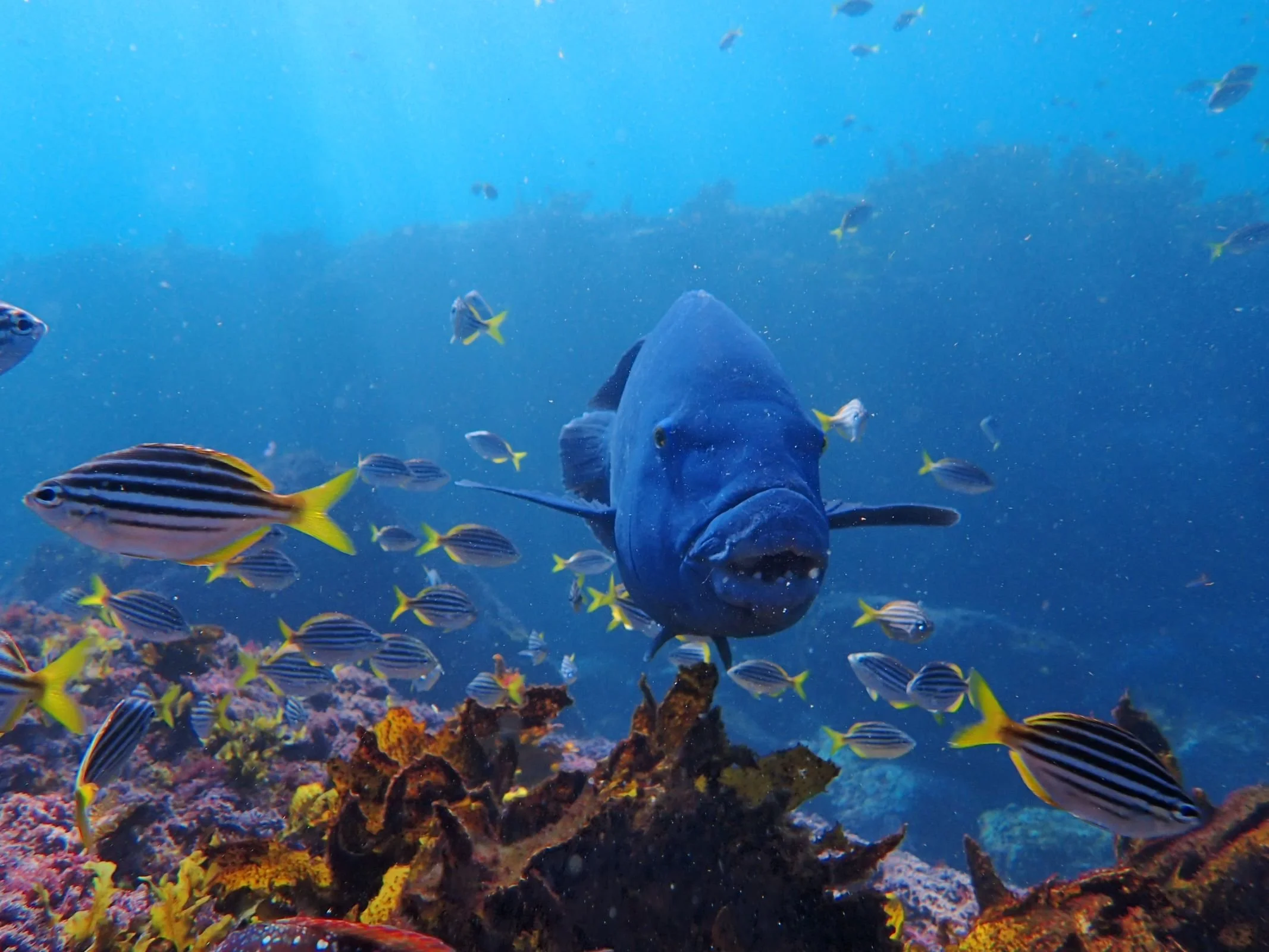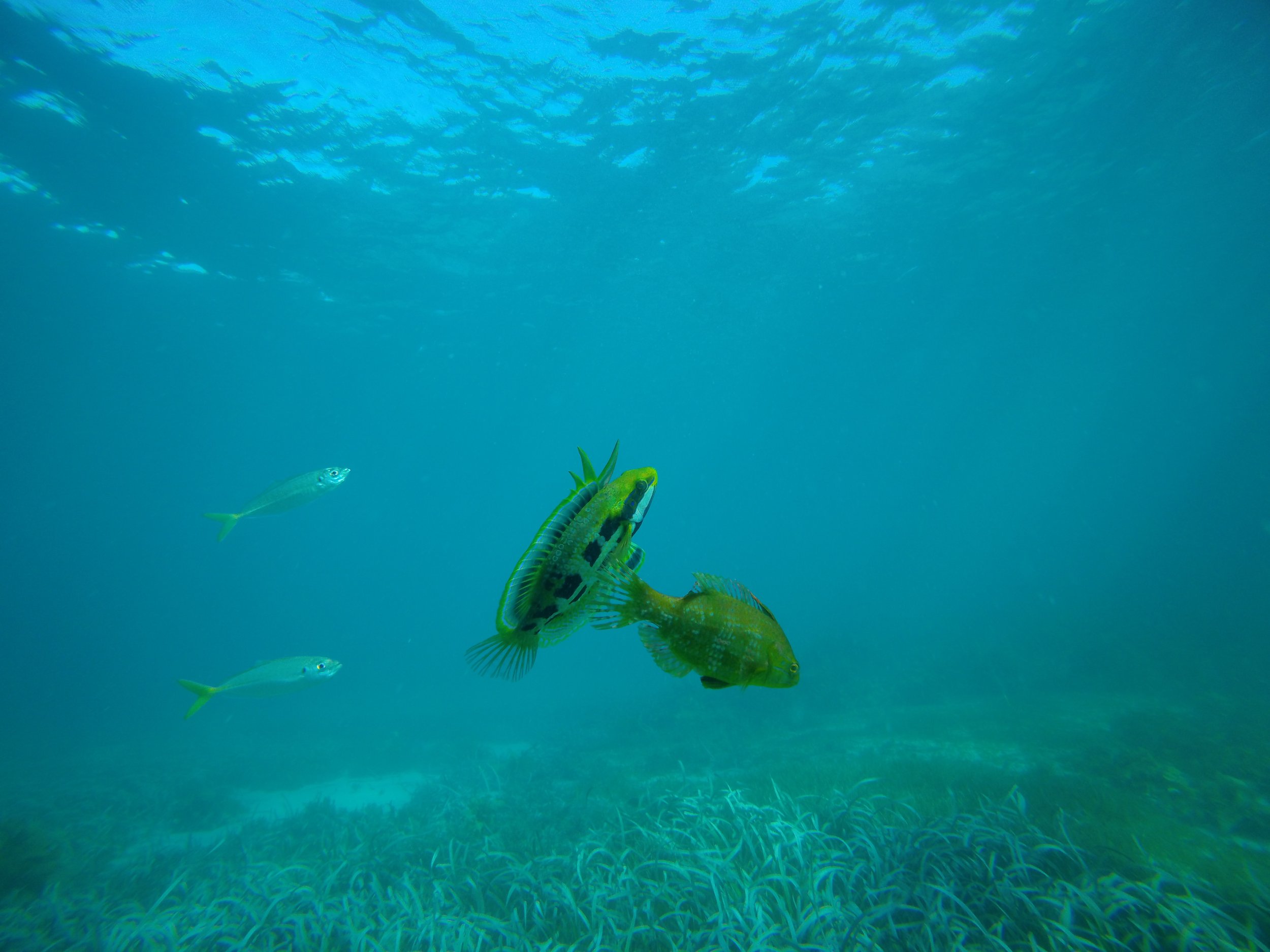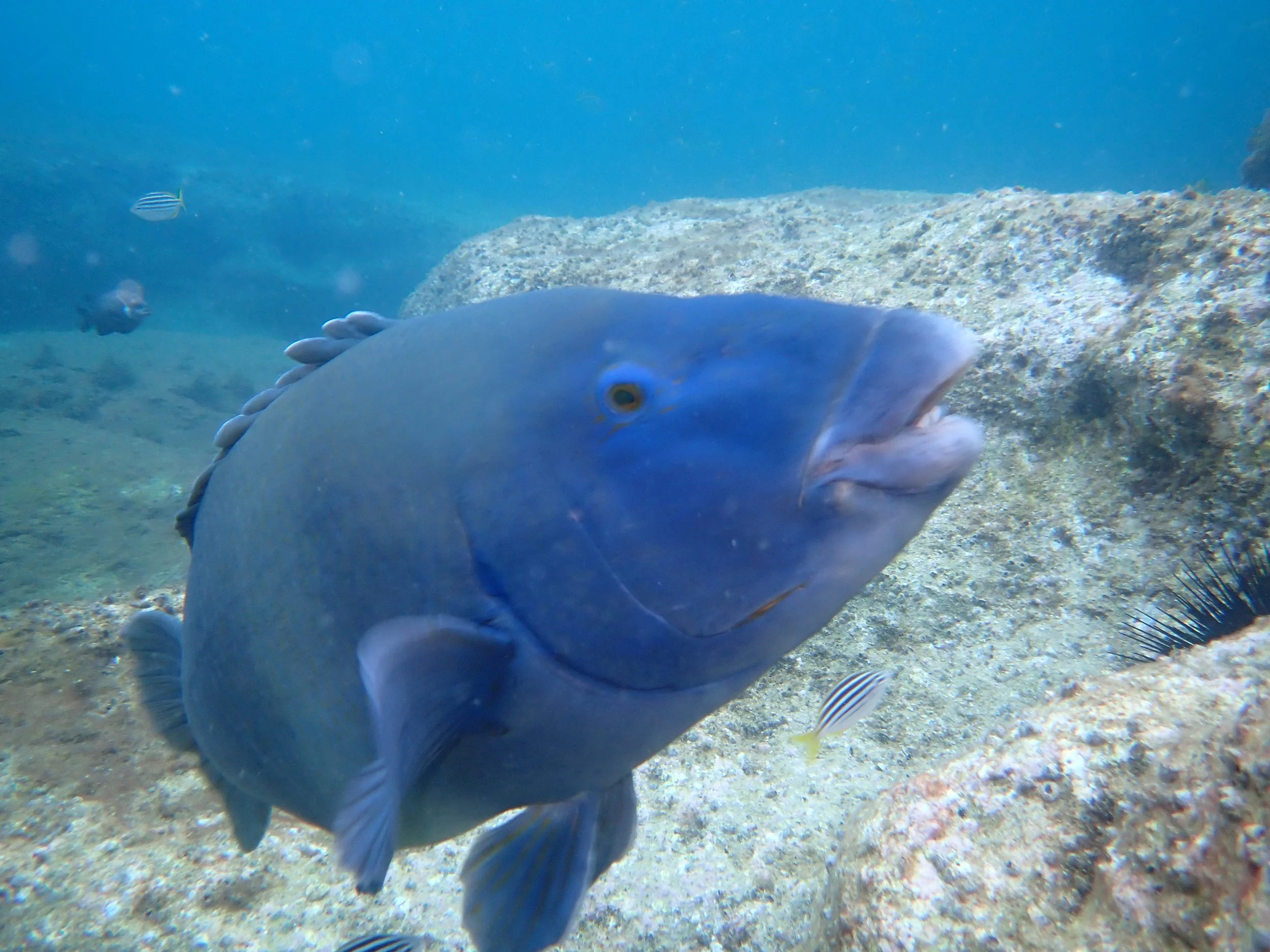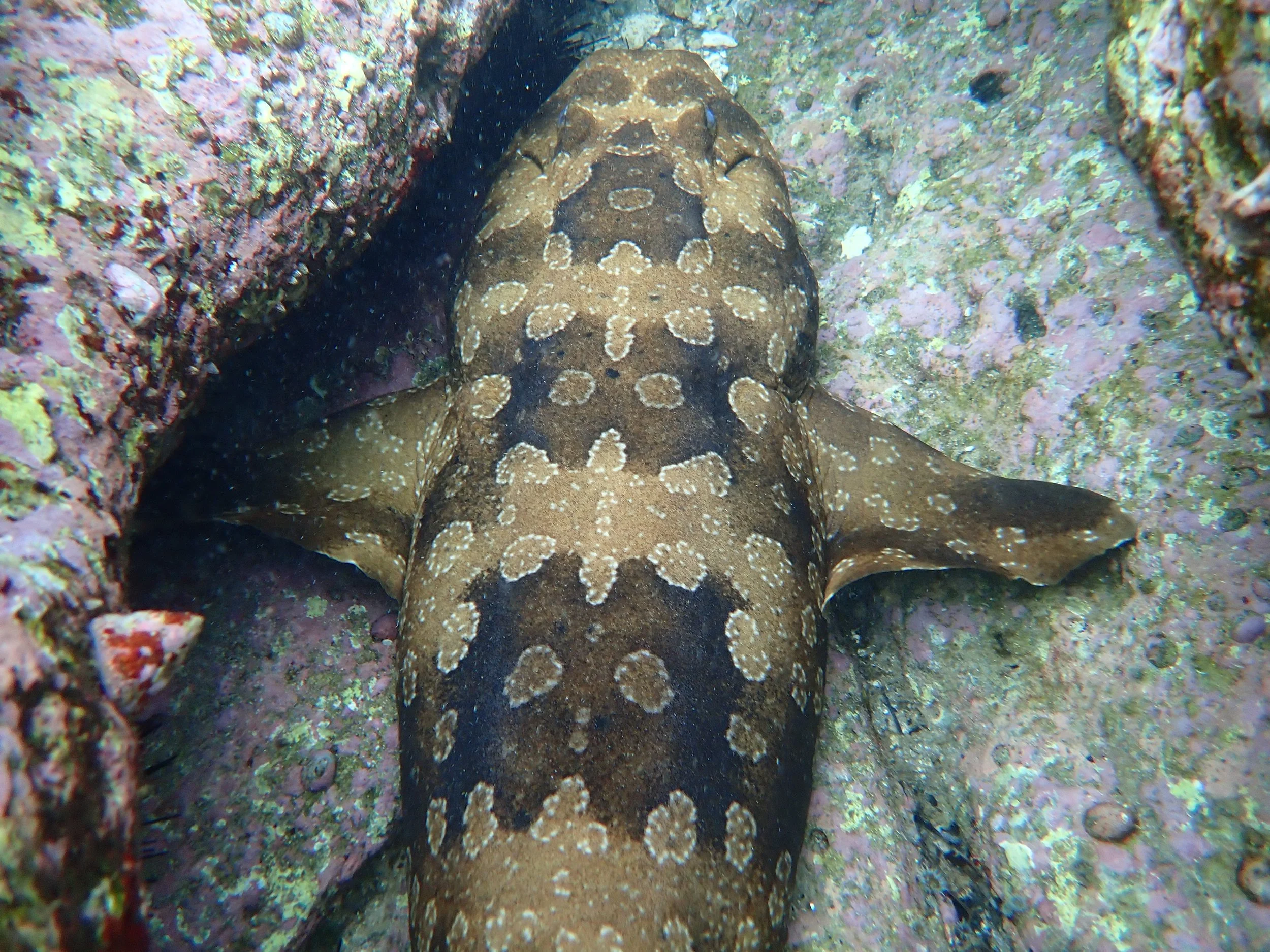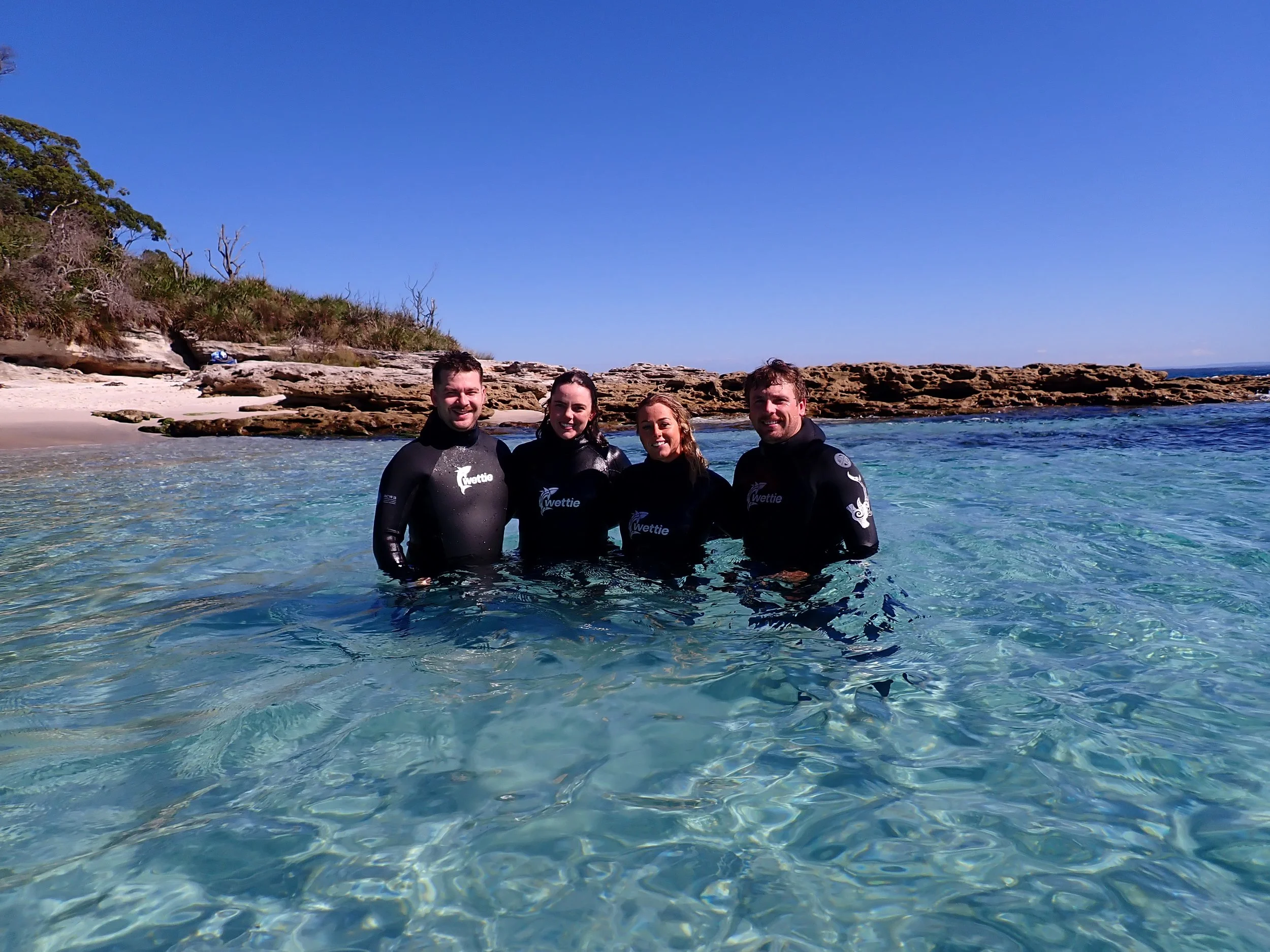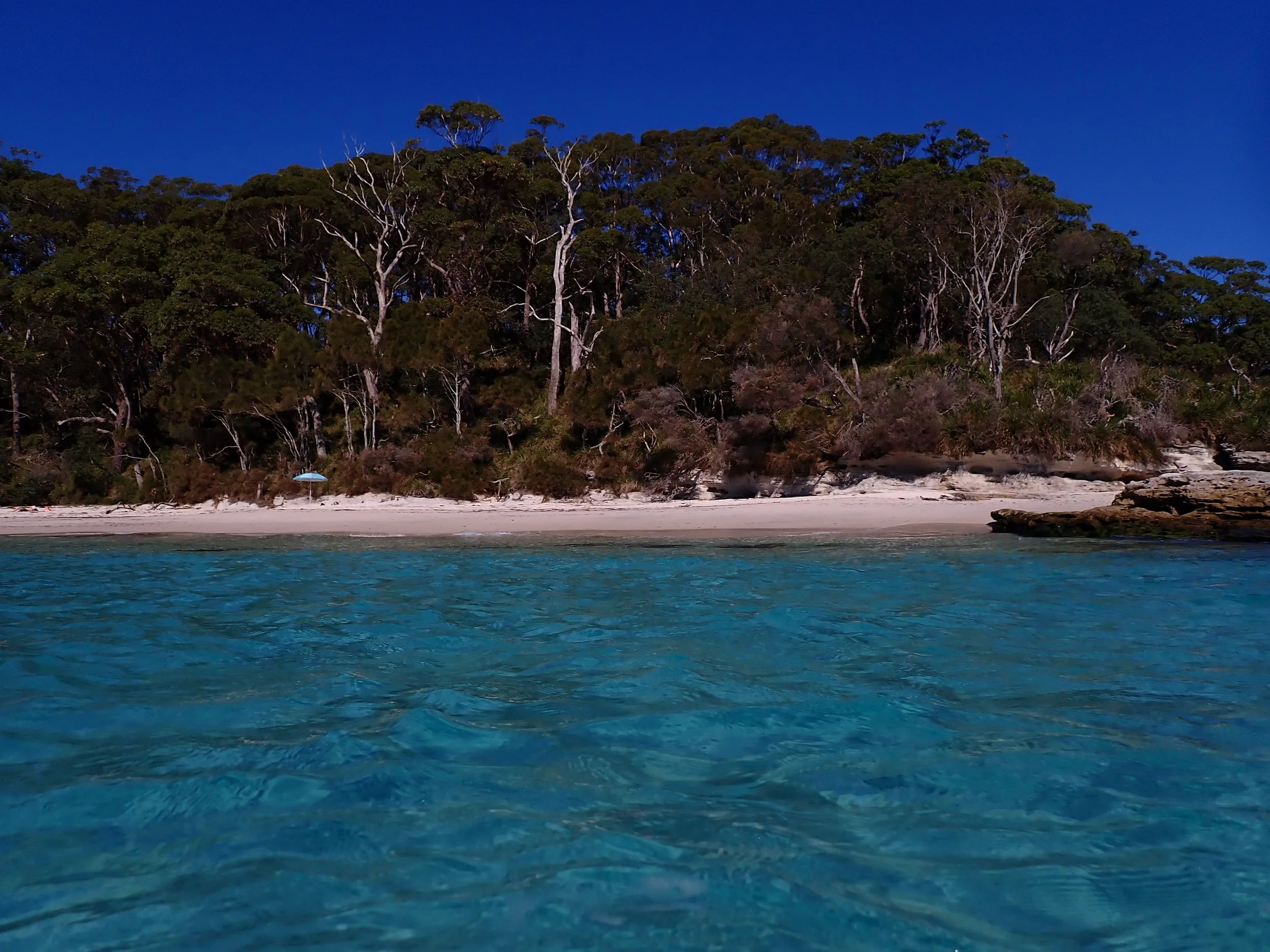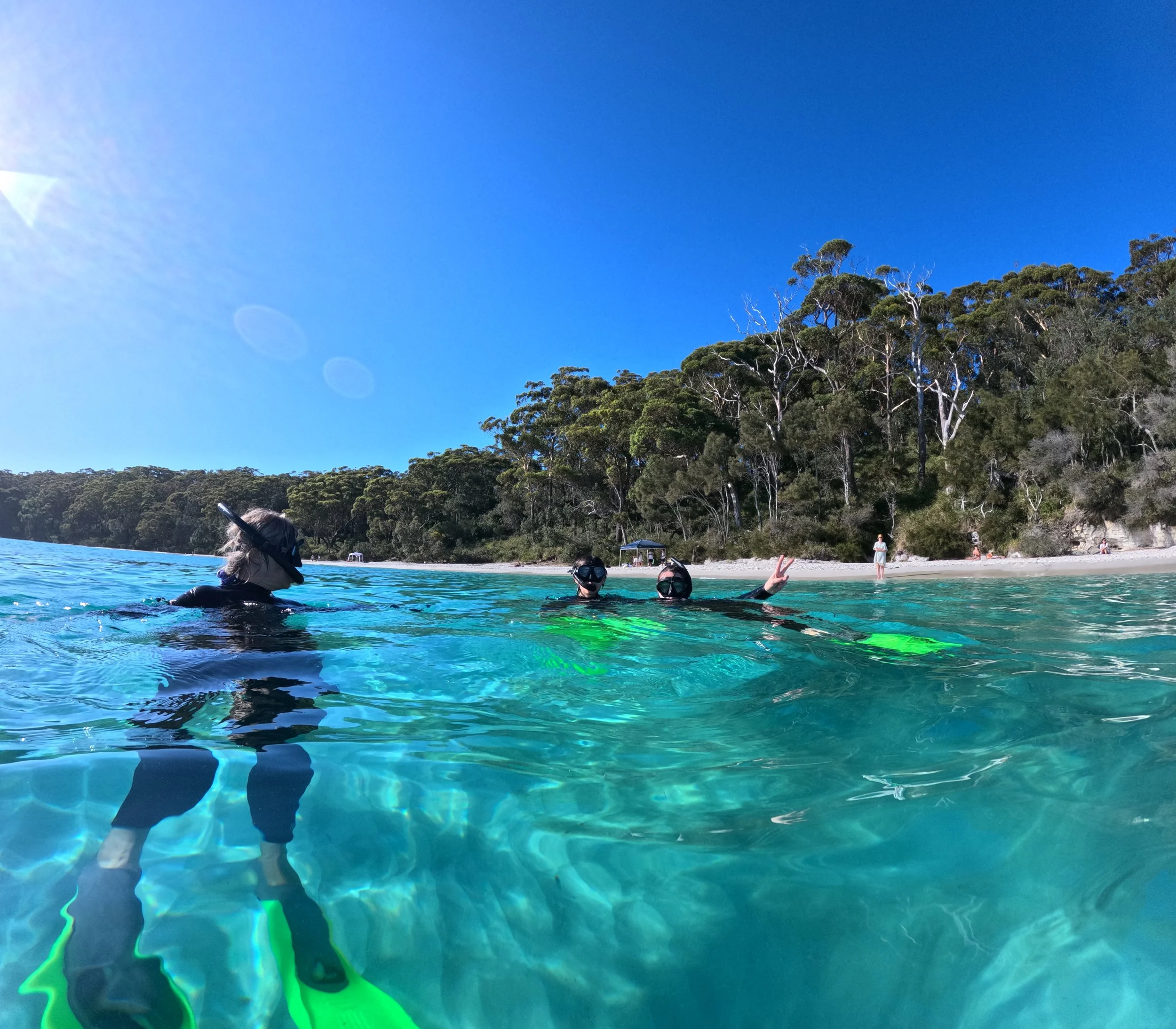
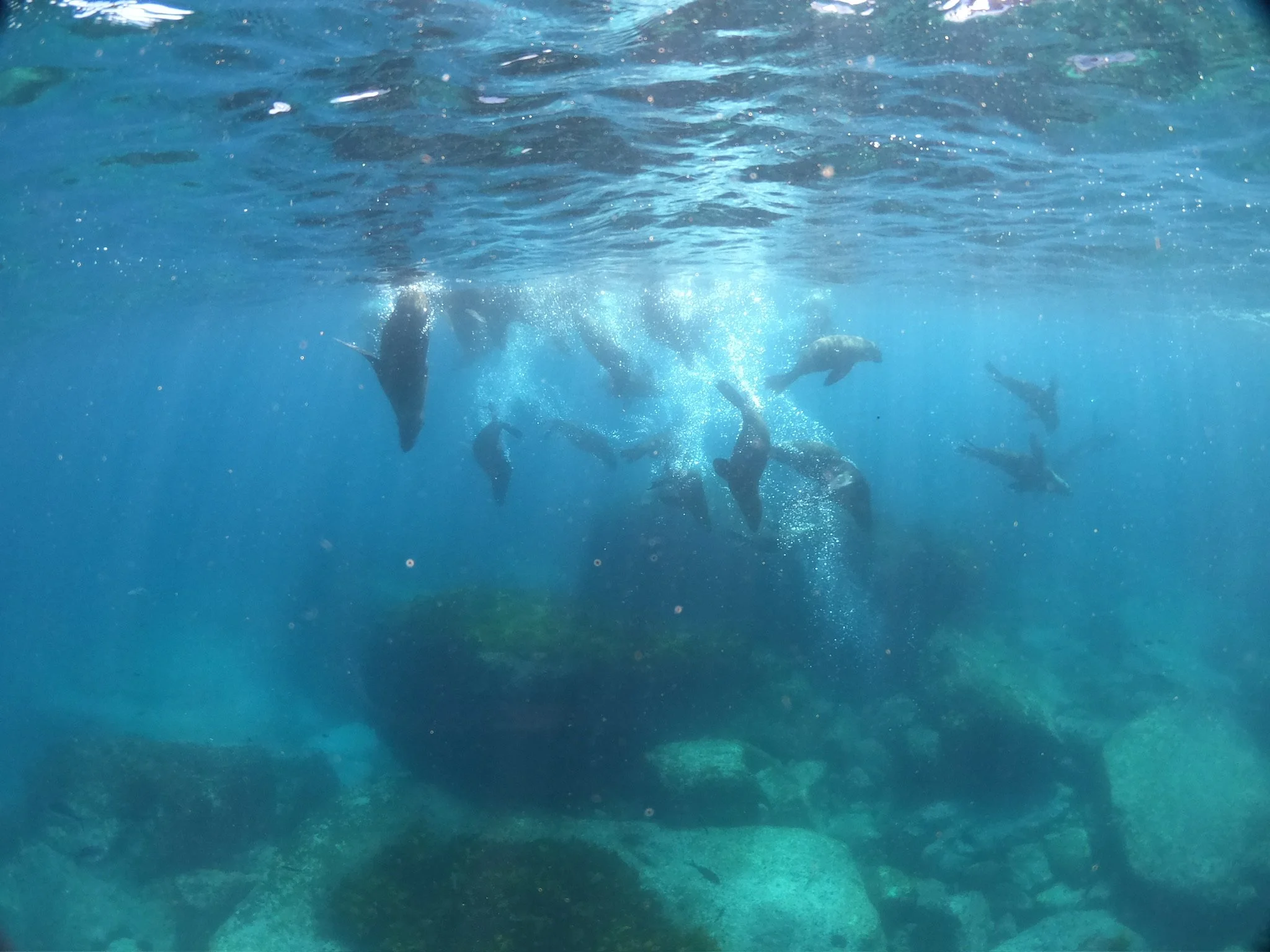
Lets be honest it is Winter, the fire is ablaze, you are wearing a dressing gown along with your favourite pair of slippers and getting in the ocean is the last thing on your mind. I’m not here to tell you that being warm and comfortable is a bad thing. No. Rather, I want to share with you some reasons why you should consider swapping the fire place for your blue backyard in the coming months.
It’s not cold
Disclosure, this is referring to the waters in and around Jervis Bay. If you are based in Tasmania or perhaps Alaska winter waters are indeed cold. However, here in Jervis Bay water temperatures rarely dip below 15 c. This is quite mild and if you visit during winter you are likely to see people ocean swimming without any wetsuits at all. Now this sort of ocean bravery isn’t for everyone, so we have taken some additional steps to keep our customers warm and comfortable throughout the cooler months.
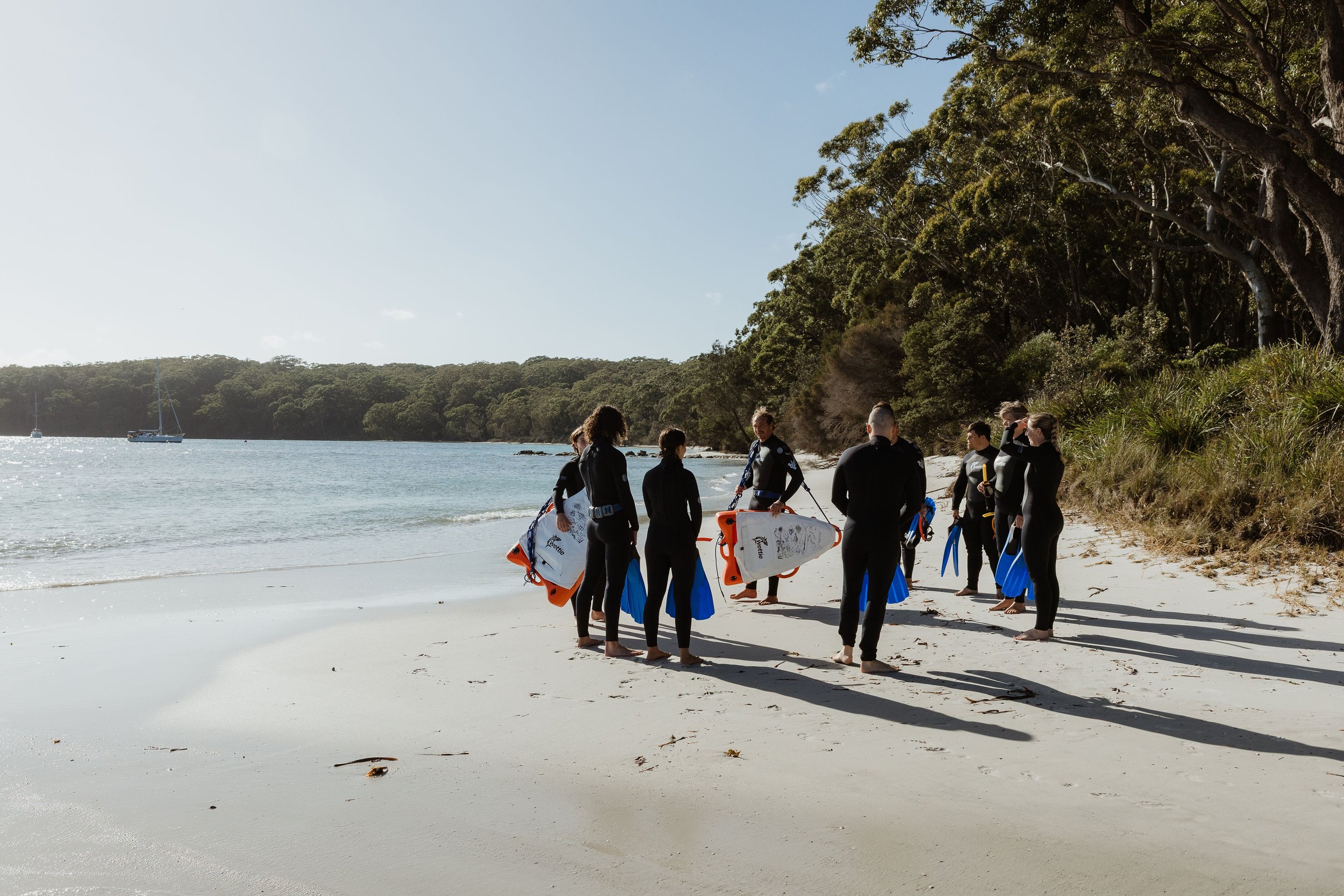
With a 4/3 mm wetsuit and additional 3 mm hood/vest you will manage to keep warm even in the depths of a Jervis Bay winter. The hood/vest plays an important role in maintaining the temperature of the bodies vital organs. This is where blood flow is prioritised when entering cooler environments. By keeping these areas warm more blood will flow to the extremities making for a comfortable experience. Further to this, dive socks and gloves can be added to create an overall feeling of invincibility.
2. The conditions are amazing
Just like today it is very common to get very light winds throughout the winter months. Even when winds blow they tend to come from favourable directions such as S, SSW, SW, WSW or W. These offshore winds create calm and still sea surface conditions on the southern and western shores of Jervis Bay. These same winds push warm surface water offshore (this water contains the most particles) which is then replaced by cooler clear ocean water that rushes in to take its place. As a result, we are left with very clear water (video below is from Monday) that is an absolute pleasure to dive in. Almost without fail the conditions are excellent after a couple of days of southerlies.
3. Marine mammals
Winter means whales. In particular, thousands of Humpback whales passing within close proximity to the heads of Jervis Bay. With the occasional individual/s or group/s making their way into the bay itself. These whales can be seen from shore on any prominent headland, on a whale cruise or during a private boat tour of Jervis Bay. Due to increasing numbers of Humpbacks there seems to be a continuous flow of whales passing Jervis Bay between May and mid October.
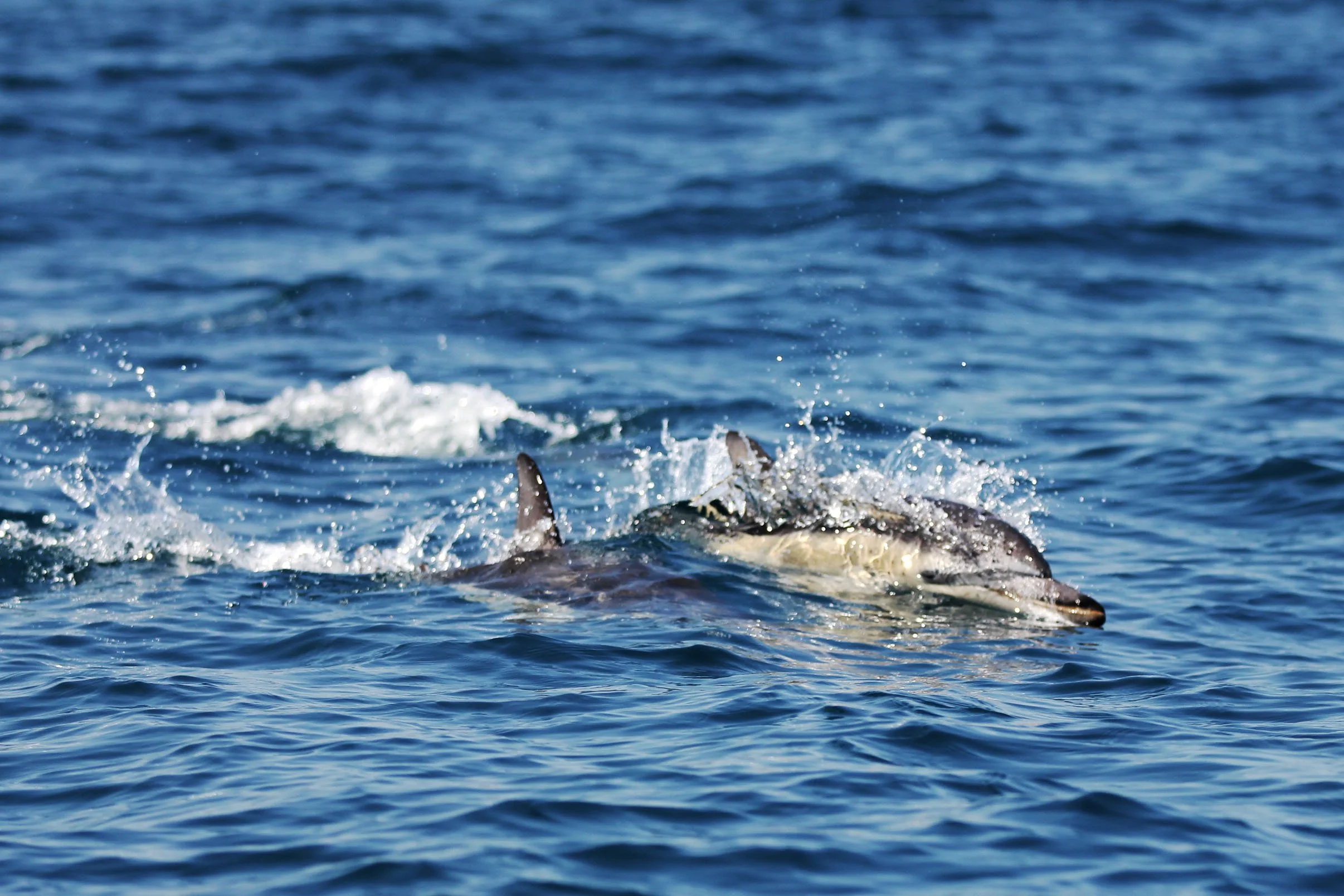
Although Humpback whales are amazing there are many other marine mammals that are highly active and easily seen during winter. Common Dolphins appear in large numbers as food is plentiful. Australian Fur seals and Bottlenose Dolphins are regulars.
Winters are extra special as there is a heightened chance of seeing some less common marine mammals. Southern Right Whales that also migrate from sub Antarctic waters are known to frequent the South Coast during winter. I was lucky enough to encounter two of these amazing animals just last week (video below).
4. Seabirds
Generally the ocean is full of life in the winter months. This activity along with the presence of nutrient rich water and food means that many seabirds are seen off the coast of Jervis Bay at this time of year. Australasian Gannets, Shy Albatross, Giant Petrels, Terns and Shearwaters are just a few of the magnificent seabirds you are likely to see.
In fact, many of the sea birds that frequent Australian waters can be witnessed off Jervis Bay. Particularly those that range across the southern ocean. The best way to encounter these seabirds is to venture out in a boat and keep out a keen eye. A good quality camera is recommended particularly if like me, you like to ID the birds you have seen. Many seabirds can look similar and have only subtle differences that are difficult to notice from a distance. Our memories are only so good.
5. Cuttlefish breeding season
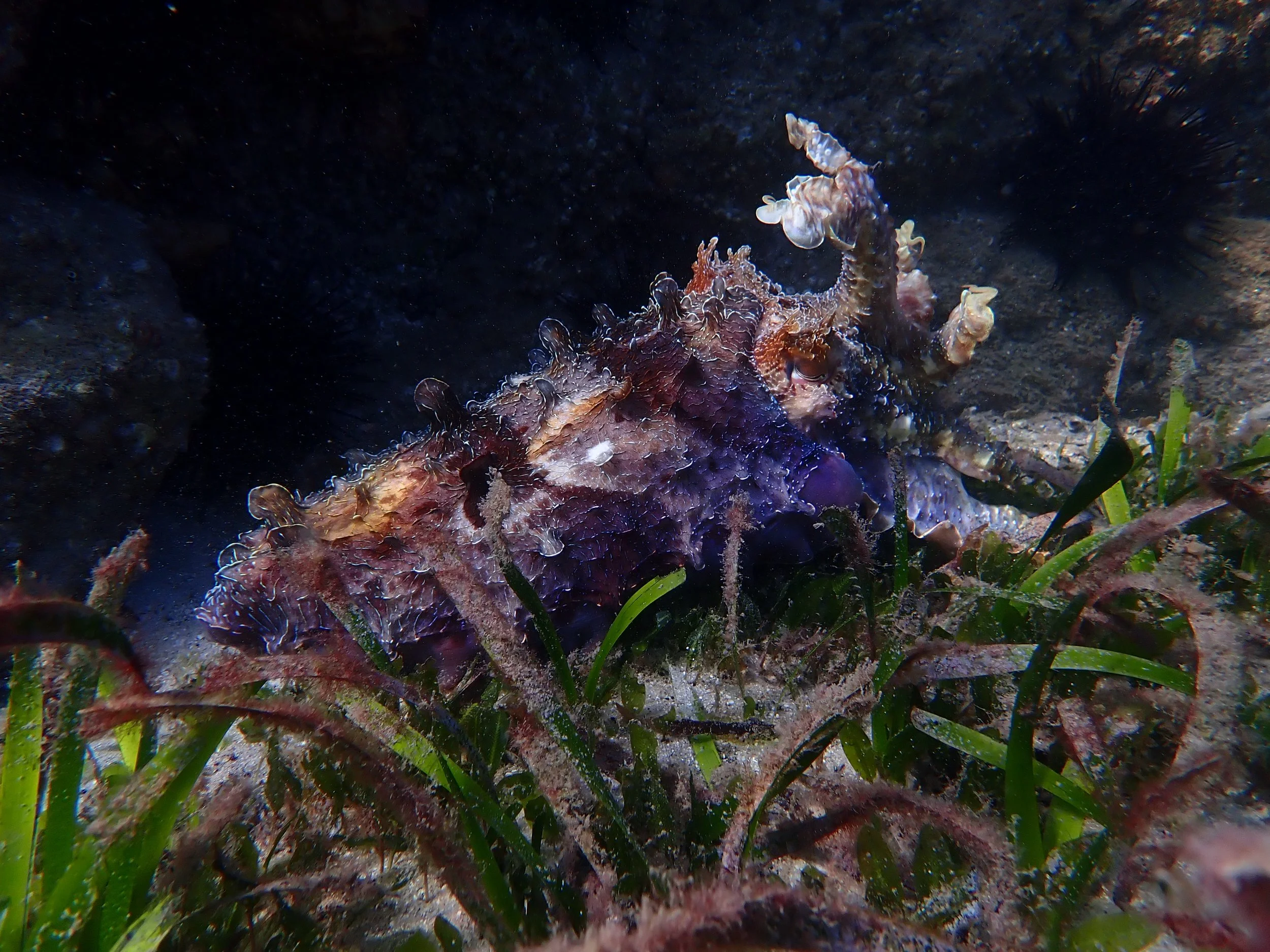
Cuttlefish are one of my favourite creatures to see in the water whether it is during their mating season or not. In the last month I have noticed a serious jump in cuttlefish sightings and interactions. Many of these sightings have been amazing as the cuttlefish have been actively moving around the shallow reefs we snorkel regularly. My theory is that the increase in movement and bolder behaviour prior to breeding is a result of the need to feed more in preparation for an energetically expensive event. Another reason for such sightings may be that the cuttlefish are scoping out the reef looking for the favourite hang out spots of their potential mates. Below is a video of cuttlefish taken a few weeks ago.
We are just starting to see cuttlefish pairing up and mild courtship behaviours. Over the next month or two we are expecting more encounters with courting and potentially mating cuttlefish. During this time of year we like to briefly observe these magnificent creatures before moving on and giving them the opportunity to perform their objective breeding with minimal disturbance.
6. Best hot shower ever!
If you have ever had a hot shower after any time spent in cooler water you know what I mean. If you haven’t don’t take my word for it. Join us this winter on an ACWA adventure. We are running snorkelling tours daily, we have private boat expeditions bookable on demand, a range of high quality wetsuits/snorkelling equipment and a team ready to show you why winters on the South Coast are the best.